In Florida, when someone stops making their mortgage payments on their condo, odds are high that they’ve stopped making the payments on the condo fees, too.
Condo Fees are Important for Condominium Upkeep
But it also means that the Condo Association isn’t getting money, either. This isn’t lost profit. Unpaid condo fees are money that is needed by the Association to cover things like condominium upkeep and repair, etc.
All too often, South Florida condominiums are hard pressed to avoid decline of their common areas and upkeep of their surroundings (utilities, plumbing) because of too many condo units failing to pay their due and owing condo fees.
Florida Condo Associations fight hard to get paid on delinquent condo fees. They may file foreclosure proceedings themselves, independently of the bank.
For more, read our earlier post on Florida condo associations foreclosing on condos in the condominium.
Usually, though, it’s the lender that files for foreclosure on the Florida condo. After the foreclosure by the bank, then the title to the condo will be changed under the law. No longer will the condo unit be owned by the defaulting member of the condo association.
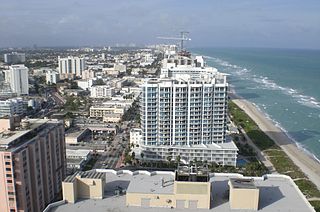
Condo living is very popular in North Miami Beach.
Condo Foreclosure and Unpaid Condo Fees
Now, the condo unit is owned by the foreclosing lender. A judgment will be signed to finalize the foreclosure lawsuit. This will be filed in the real property records to show that ownership has been changed in the condo unit.
Key here is that the foreclosure deals with the unpaid mortgage default. It’s a lawsuit between the lender and the borrower regarding the failure to pay on the home loan.
So, the question for the Condo becomes: who pays those unpaid condo fees now? It’s a question that the neighboring condo owners who live in the condominium want to know, as well.
Can the Condo Association get its money from the lender who just foreclosed on that condo unit?
Unpaid Condo Fees After a Florida Foreclosure
This question was answered by the Fifth Circuit Court of Appeals in the case of Beltway Capital, LLC v. the Greens COA, Inc., No. 5D13-3148 (Fla. Dist. Ct. App. Dec. 5, 2014).
In this case, Beltway Capital LLC filed a foreclosure lawsuit regarding the mortgage on a condo unit owned by a man named Michael Heibel.
Now, in another Florida Wild West Foreclosure scenario, this was not the lender who initially loaned the money to the condo owner. No.
Mr. Heibel got his initial mortgage from First National Bank of Arizona (FNBA), with Mortgage Electronic Registration Systems, Inc. (“MERS”), as nominee for FNBA. Five years later, MERS assigned the mortgage to GMAC Mortgage, LLC (“GMAC”). Later, GMAC assigned the mortgage to Beltway.
Why was this series of bank owners important for the unpaid condo fees?
After the foreclosure sale, the Condo Association filed a motion with the judge to get paid, asking for a ruling on who was responsible after the foreclosure sale. Was Beltway supposed to pay, or was the previous condo unit owner?
Florida Condominium Act
In Florida, there is a Condominium Act which controls the rights and obligations of condo ownership here. It is found in Chapter 718 of the Florida Real and Personal Property Code.
It controls “the condominium form of ownership of real property,” and it provides the procedures for “creation, sale, and operation of condominiums” in Florida.
So, to answer the question of who is liable for condo fees and condo assessments in Florida, you have to refer to the Florida Condominium Act.
Florida Statute 718.116(1)(b) and Unpaid Condo Fees
One provision in this chapter is Florida Statute 718.116(1)(b). It provides banks with a “limited liability law.” It’s called a “safe harbor.”
This “safe harbor” statute provides that there’s no liability of “a first mortgagee or its successor or assignees” who acquire title to a condo unit by foreclosure.
No liability for what? For any unpaid association assessments that were due before its acquisition of title in the foreclosure.
If the law applies, then the bank doesn’t pay for condo fees and assessments that were due before it took title in the foreclosure proceeding.
Application in the Beltway Case: Mortgage Had Changed Hands
We know from the series of assignments that Beltway was not a direct assignee of the original lender, the Arizona bank that loaned the money to the condo unit owner.
So, how does the safe harbor law apply here?
The Florida appeals court held that Beltway was protected and given “safe harbor” by the Florida law. It held that even though Beltway was not “…the original lender, the lender’s successor, or the lender’s assignee,” it was the “first mortgagee.”
The first mortgagee gets safe harbor protection in Florida.
What’s a “first mortgagee” under the safe harbor law? It’s the lender who holds the first mortgage, explains the appeals court. That’s Beltway.
Why? The law’s language regarding “first mortgagee” is referencing the priority of the lien. It’s not dealing with how the lien changed hands over the course of the loan prior to the foreclosure. It’s focusing upon the bank that is “standing in the shoes of the original mortgagee.”
Who Pays Condo Fees After Florida Foreclosure?
So, what do we learn from the Beltway case? That if a bank forecloses on a Florida condo and it’s either the bank that initially made the condo loan, or it “stands in the shoes” of that lender, then it will not be liable to pay those unpaid condo fees and assessments to the Condo Association.
The Condo Association must look to the defaulting condo unit owner for payment of the unpaid balance through the date of the title change in the foreclosure proceeding.
What can the condo association do at this point? It can hire a collection agency. It can file its own lawsuit against the unit owner, too. But it can’t get the foreclosing bank to pay.
Facing a Condo Foreclosure? A Florida Real Estate Lawyer Can Help
If you or a loved one have been dealing with financial difficulties regarding your Florida condo, then deciding how best to deal with condo fees and mortgage payments, and failure to pay either or both of these obligations, can be difficult.
- What is the best course to take?
- What are the consequences of your choices?
- Should you keep paying the condo fees even if you’re behind on the mortgage?
Seeking out guidance from an experienced Florida real estate attorney who can review your case and negotiate on your behalf, may be extremely helpful to minimize any harm to your short term financial situation as well as your long term security. Many South Florida real estate lawyers, like Larry Tolchinsky, offer free initial consultations.

If you found this information helpful, please share this article and bookmark it for your future reference.